
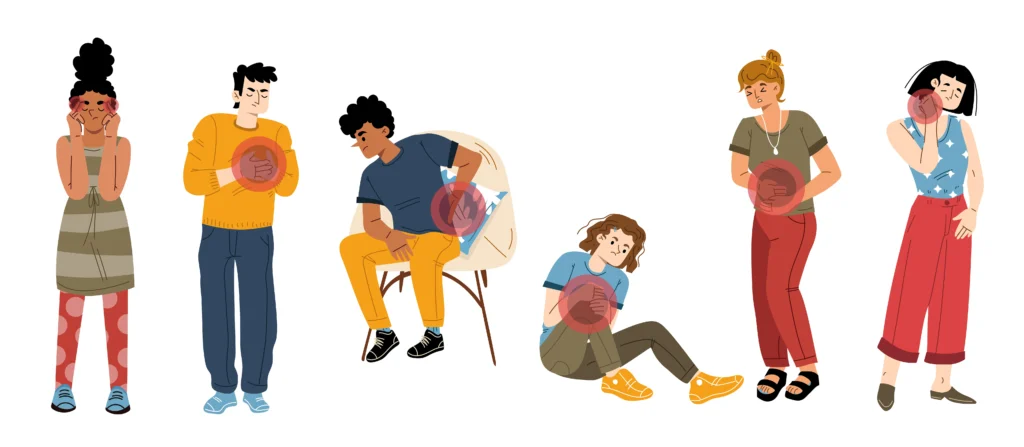
Early signs of heart disease are easy to miss, and that is exactly what makes them so dangerous. Your heart gives you a heads-up way before any emergency situation.
The catch? Most individuals fail to identify the early signs of heart disease when it’s too late. Feeling slightly tired due to hard work? A bit of chest heaviness because of acidity? Shortness of breath while walking up the stairs?
These little things could be your heart’s first warning signs.
As reported by the World Health Organization, 19.8 million people die each year from cardiovascular problems, which account for around 32% of all deaths worldwide. The number of heart disease patients in India, on the other hand, makes up one-fourth of the total deaths, and as per the Indian Heart Association, one in four Indian males suffers a heart attack below the age of 40!
Here’s a piece of good news for you: most forms of heart disease are preventable if the early warning signs of heart disease are detected in time.
This blog walks you through the 10 most critical early warning signs of heart disease that you should never brush aside.
Early Signs of Heart Disease: Why India Needs to Pay Attention
India is in need of immediate cardiac care, something that most individuals tend to underestimate.
According to research conducted by Circulation (American Heart Association), the onset of heart disease occurs about 5 to 10 years earlier in Indians than in those in Western countries. The average age of heart attacks in India stands at only 53 years compared to 63 in Europe or even China.
Perhaps more worrying: in a meta-analysis done in 2024, it was discovered that the prevalence rate of cardiovascular disease among Indian adults was 11%, with urban settings recording figures of up to 12%. In addition, over 60% of all deaths due to heart disease occur prematurely in patients who are expected to live long lives.
What causes so many of these untimely deaths?
Knowing the early warning signs of heart disease is not just important; for many people, it is lifesaving.
For more information consult Dr Gaurav Yadav – https://hridayamclinic.com/about-us/
10 Early Warning Signs of Heart Disease You Should Never Ignore
1. Chest Discomfort, Tightness, or Pressure
This is the most widely recognised sign of heart problems; however, it is usually misinterpreted.
Cardiac chest discomfort does not have to be excruciating pain for the chest area; instead, it is normally a sense of squeezing or pressure on the chest, as if something heavy is resting on top of the person’s heart. Angina comes and goes and is usually associated with any type of activity, emotional or physical.
Ignoring any strange sensation you might have in your chest would be unwise; it is always an emergency if the sensation persists for longer than a few minutes.
2. Shortness of Breath
Feeling breathless while doing everyday activities, walking up stairs, carrying groceries, or even just moving around the house is one of the key early warning signs of heart failure.
When the heart cannot pump blood effectively, fluid backs up into the lungs, making breathing laboured. This is especially significant if breathlessness appears suddenly or worsens when lying flat at night.
According to Harvard Health, shortness of breath was among the top early warning signs reported by women before a heart attack, often appearing weeks before the actual event.
3. Unexplained and Persistent Fatigue
Tiredness that goes beyond a long day at work and fatigue that does not improve with rest and appears without obvious reason are some of the most overlooked early warning signs of heart disease in women.
According to one famous study, 70 per cent of women who suffered heart attacks complained of unexplained fatigue one month prior to their attacks. When the heart is having trouble, it sends the blood away from all unnecessary parts of the body to preserve the necessary ones.
If you are finding it hard to do things that used to be easy for you, take note because something may be wrong.
4. Pain Radiating to the Arm, Jaw, Neck, or Back
The heart shares nerve pathways with the upper body. This is why cardiac pain does not always stay in the chest; it frequently travels to the left arm, jaw, neck, shoulder, or upper back.
This pattern is among the most commonly reported early warning signs of heart disease in men, who are more likely to experience classic radiating discomfort during a cardiac event. However, women experience it too, often more in the jaw and back than the arm.
Unexplained pain in any of these regions, especially when it accompanies other symptoms, should be taken seriously immediately.
5. Dizziness or Lightheadedness
Sudden dizziness, particularly when combined with chest discomfort or breathlessness, can signal that the heart is not circulating adequate blood to the brain.
This is one of the first signs of a weak heart: one that is no longer maintaining steady, sufficient blood flow. Repeated episodes of lightheadedness, especially during physical activity, should prompt an urgent cardiac evaluation.
6. Swelling in the Legs, Ankles, or Feet
When the heart’s pumping function weakens, blood pools in the lower body, causing swelling (oedema). If your feet feel puffy in the morning, your ankles swell by evening, or your shoes feel tighter than usual, these could be early warning signs of heart failure.
This symptom is frequently attributed to long hours of standing or a kidney issue. A proper cardiac evaluation can quickly determine whether the heart is involved.
Learn about Heart Failure treatment at Hridayam – https://hridayamclinic.com/contact-us/
7. Palpitations or Irregular Heartbeat
An awareness of your heartbeat is normal. But if your heart frequently feels like it is racing, fluttering, pounding, or skipping beats, even while you are resting, that is worth investigating.
These sensations can indicate cardiac arrhythmia, an irregular heart rhythm that is a known risk factor for stroke and sudden cardiac arrest if left unmanaged. Mild, fleeting palpitations may be harmless, but recurring episodes need a cardiologist’s assessment.
8. Persistent Cough or Unexplained Wheezing
A dry, lingering cough, particularly one that produces white or pinkish mucus, is a frequently missed early warning sign of heart failure. When the heart allows fluid to accumulate in the lungs, a cough results that does not respond to cold remedies or antihistamines.
If you have had a cough for weeks without improvement, and no clear respiratory cause has been found, ask your doctor to rule out a cardiac origin.
9. Nausea, Indigestion, or Upper Stomach Pain
This is one of the most underrecognised symptoms and one of the most critical to understand for women.
The first signs of a heart attack in women very commonly include nausea, upper abdominal discomfort, or an indigestion-like feeling, sometimes without any chest pain at all. Reduced blood flow during a cardiac event can irritate the stomach lining, mimicking digestive problems.
Many women, and their doctors, mistake these signs for acidity or food-related illness, leading to dangerous delays in care. The Indian Heart Association notes that women often have a “nihilistic approach” to heart disease, underestimating their own risk.
10. Cold Sweats Without Physical Cause
Breaking into a cold, clammy sweat without exertion, heat, or fever, particularly alongside dizziness or chest discomfort, is the body’s response to severe cardiovascular stress.
The nervous system triggers sweating when the heart is under serious strain. Waking up in a sudden cold sweat, or experiencing it out of nowhere during the day, is a signal that should never be dismissed.
What Are the Early Signs of Heart Disease?
If you are wondering what the signs of an unhealthy heart look like in daily life, here is a simple checklist to keep in mind:
1. Chest tightness or heaviness, even if mild
2. Breathlessness during activities that used to feel easy
3. Fatigue that does not improve with rest
4. Pain or discomfort spreading to the arm, jaw, neck, or back
5. Recurring dizziness or lightheadedness
6. Swelling in the feet, ankles, or lower legs
7. Heart racing, fluttering, or skipping beats
8. A cough that won’t go away
9. Nausea or upper stomach discomfort without a clear cause
10. Sudden cold sweats
Experiencing two or more of these together, especially during or after physical activity, is a strong reason to seek an immediate cardiac evaluation.
Book a Heart Check-up at Hridayam – https://hridayamclinic.com/contact-us.
Why Choose Dr Gaurav Yadav? One of the best cardiologists in Haldwani?
Recognising the warning signs is only half the equation. The other half is having access to the right specialist quickly.
Dr Gaurav Yadav, founder of Hridayam Cardiac & Diagnostic Centre, is one of the most experienced and trusted cardiologists in Haldwani. Trained at the prestigious Sir Ganga Ram Hospital, New Delhi, Dr Yadav brings metro-level cardiac expertise directly to the people of the Kumaun region.
With over 10 years of experience, more than 3,000 successful angioplasties, and over 8,000 angiographies performed, Dr Yadav has made advanced cardiac care accessible without the need to travel to Delhi or Dehradun.
Patients from across Uttarakhand, Nainital, Almora, Pithoragarh, Rudrapur, Kashipur, and beyond regularly visit Hridayam for the following:
1. Comprehensive cardiac consultations
2. Advanced angiography and angioplasty
3. Pacemaker and AICD implantation
4. Early heart disease screening and preventive care
5. Online consultations for patients across Kumaun
If you have noticed any of the symptoms described in this blog, even mild ones, do not wait for them to worsen. A timely consultation could make all the difference.
Call: +91 9068740555, Hridayam Cardiac & Diagnostic Centre, near Jungle Fiesta Complex, Haldwani, Uttarakhand.
Book Your Appointment Today – https://hridayamclinic.com/contact-us/
Bottom Line
The initial symptoms of heart disease are not necessarily very striking. In fact, they may be subtle, easily attributed to other causes, and easily put off.
The country is in a heart health crisis. Individuals are getting heart disease at a much younger age, experiencing heart attacks, and passing away sooner than they should have due to having missed signs for too long.
This shouldn’t happen, especially when it involves your heart.
Listen to your body when it gives you signs that things aren’t right. These could be related to tiredness, shortness of breath, an irregular heartbeat, or simply an overall sense of unease.
Frequently Asked Questions
How long does a heart attack last?
A heart attack begins when a blockage cuts blood supply to part of the heart. The symptoms can last anywhere from a few minutes to several hours, but the damage to heart muscle starts within minutes of the blockage. Every minute without treatment increases the risk of permanent damage. This is why recognising the early signs of heart disease and seeking care quickly is critical.
What are the first signs of a heart attack in women?
The first signs of a heart attack in women are frequently atypical. Rather than classic chest pain, women are more likely to experience unusual fatigue, shortness of breath, nausea, jaw or back pain, and a general sense of not feeling well.
What are the first signs of a weak heart?
A weak heart, reduced cardiac function, most commonly first shows up as breathlessness with light activity, persistent fatigue, and swelling in the lower legs and ankles. These are the body’s signals that the heart is no longer maintaining normal circulation. Early medical evaluation can detect reduced heart function and allow treatment before the condition progresses.
Can heart disease be reversed?
While advanced heart disease cannot always be fully reversed, it can be significantly stabilised and improved. With the right combination of lifestyle changes, medication, and where necessary, interventional treatment, many patients see real improvements in heart function and quality of life. The earlier the early signs of heart disease are caught, the better the outcome.
At what age can heart disease start?
Heart disease can begin developing silently in your 20s and 30s. In India, the risk is especially high: the Indian Heart Association reports that 50% of heart attacks in India occur in people below 50 years of age. Risk factors like high blood pressure, diabetes, smoking, and a sedentary lifestyle begin causing arterial damage long before symptoms appear.
